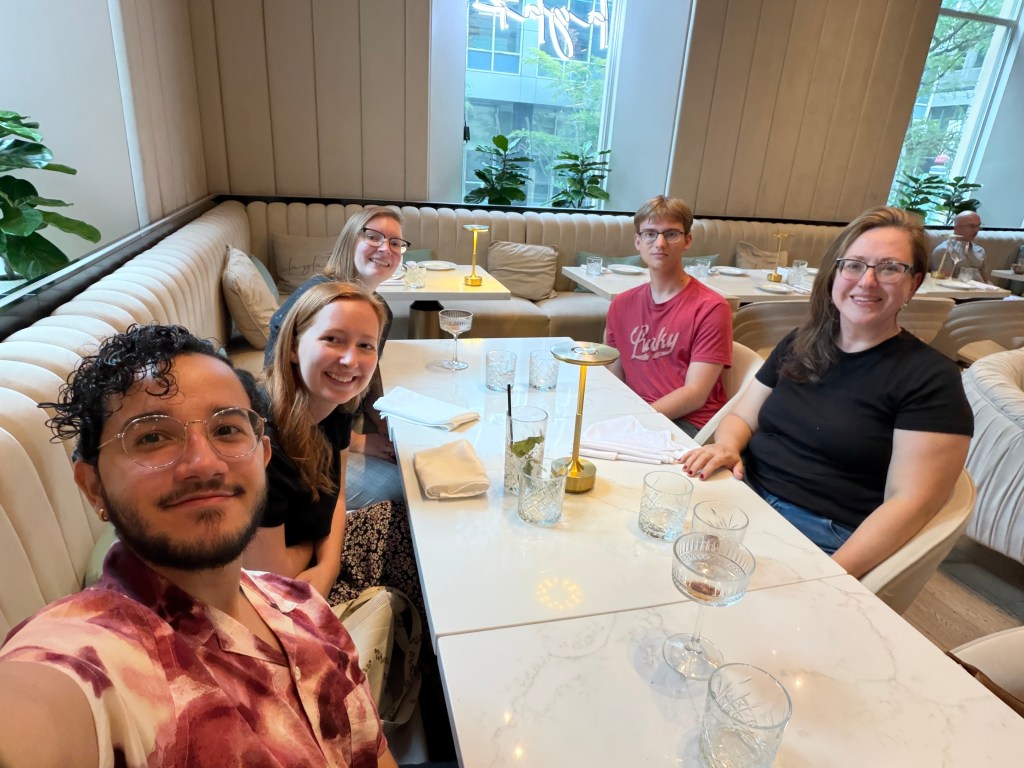
The Summer of 2026 was a busy one for the Healthy Regions & Policies team! Lab members presented research papers, held workshops, and traveled across the world to share their latest work and make new connections. Academic conferencing is one of the best ways to get feedback on your work, be inspired by others, and learn about what’s driving the field forward. Because of the interdisciplinary exchange of geography, the team is fortunate to get a wider view of happenings across various disciplinary fields at different conferences abroad.
GeoMed in Pamplona, Spain
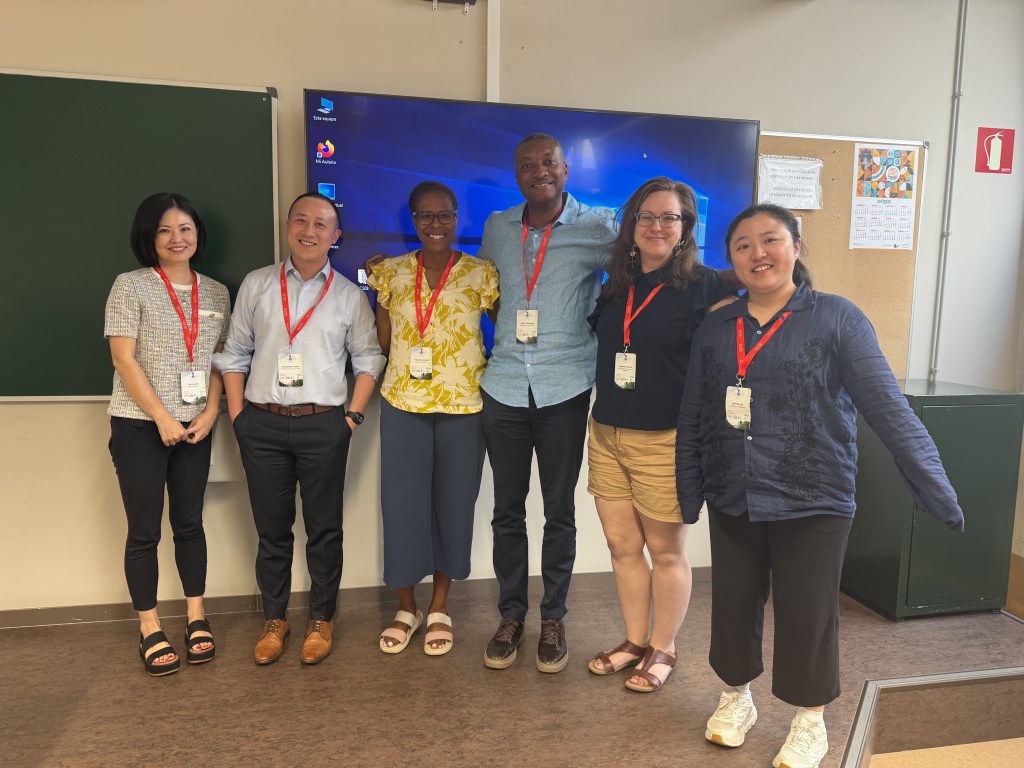
In June, Dr. Kolak presented work on a long-developed study, “County-level Analysis of Historical Methadone Access & Opioid Use Disorder Mortality from 1980-2020,” at GeoMed in Pamplona, written in collaboration with Ashlynn Wimer (Harvard T.H. Chan) and Qinyun Lin (Gothenberg University). Dr. Lin is a prior postdoc of HEROP, now a Senior Lecturer teaching and researching in Sweden; she was also at GeoMed, presenting important work on modeling syndemics with a spatial perspective.
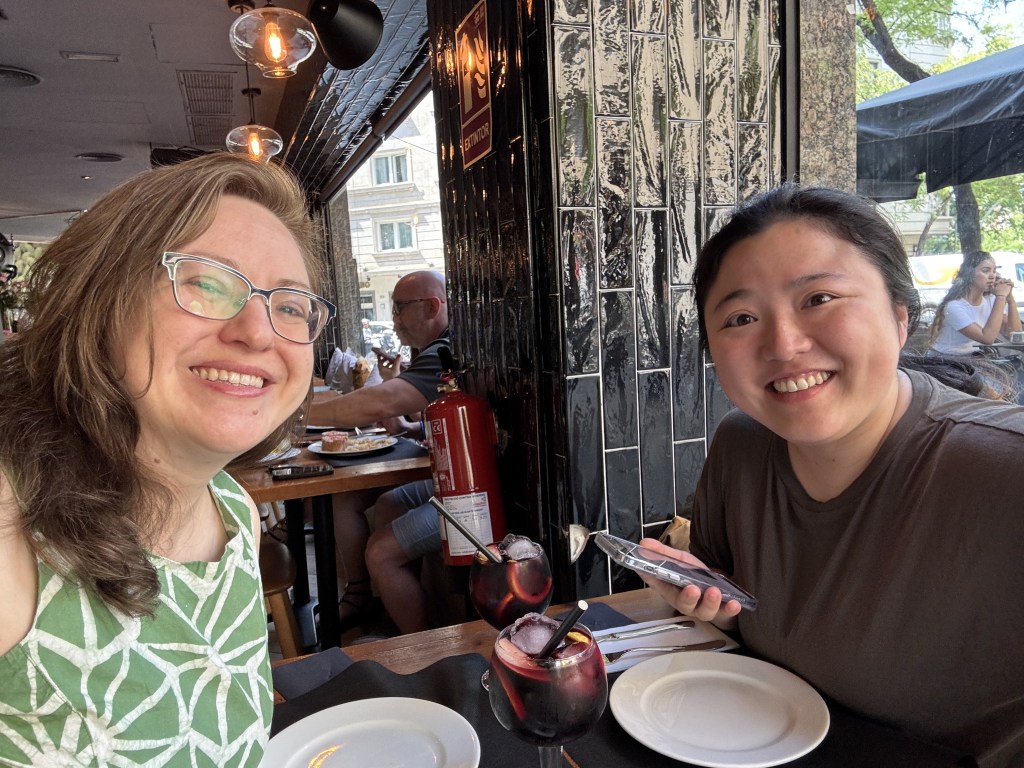
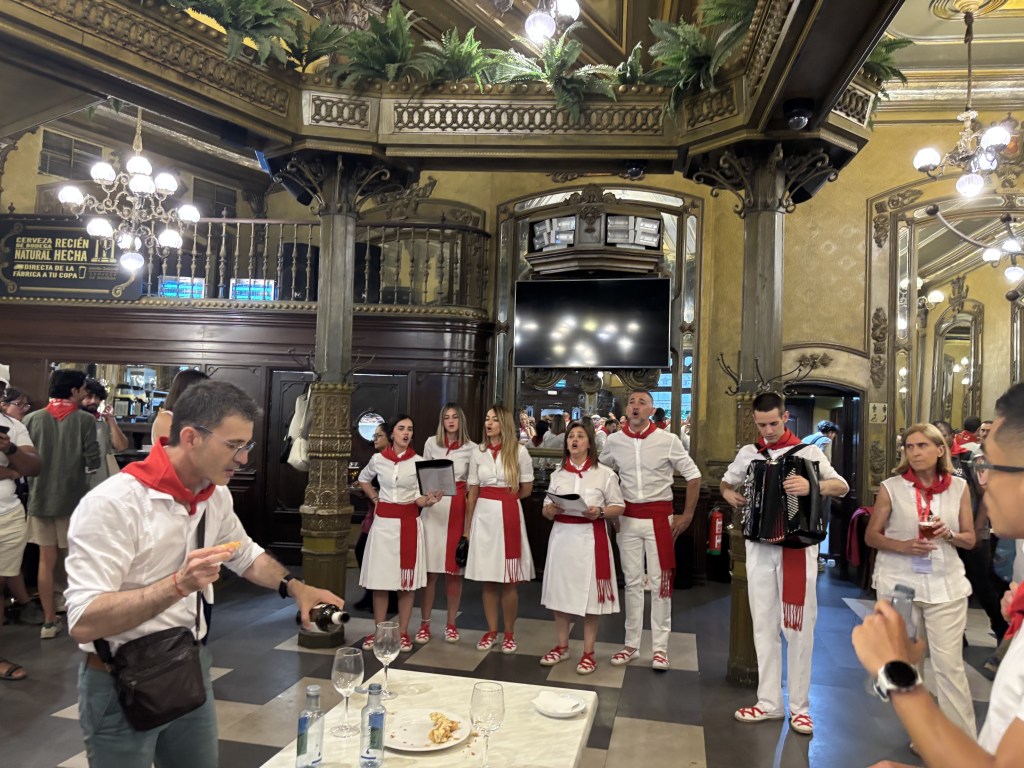
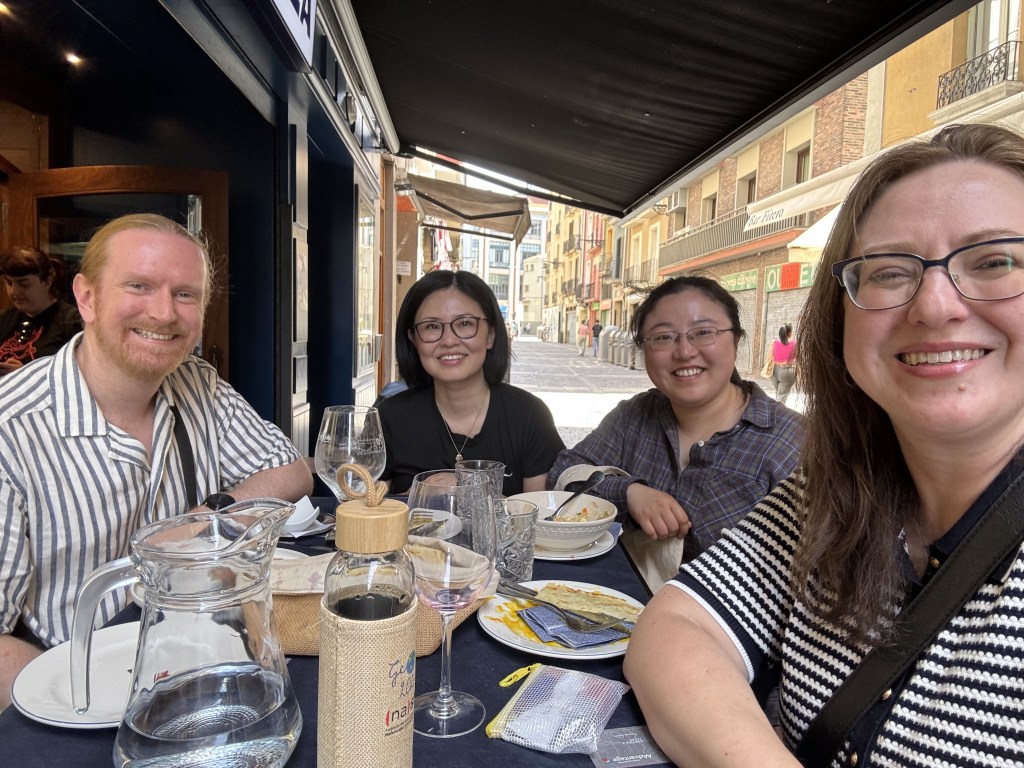
Both Kolak and Lin presented their work in a session organized by Dr. Hui (Henry) Luan on Spatial Statistics and Analysis in Substance Use, Mental Health, and HIV.
SER in Phoenix, Arizona
Next up was the Society for Epidemiological Research‘s Annual Conference, held this year in Downtown Phoenix. In the midst of the hot season, researchers gathered to discuss the latest advances in epidemiology research. Dr. Kolak and Ashlynn Wimer (Harvard T.H. Chan), former HEROP student and research staff, co-presented a workshop introducing Spatial Epidemiology in R. You can access the codebook for free, with provided links to the slides and data used.
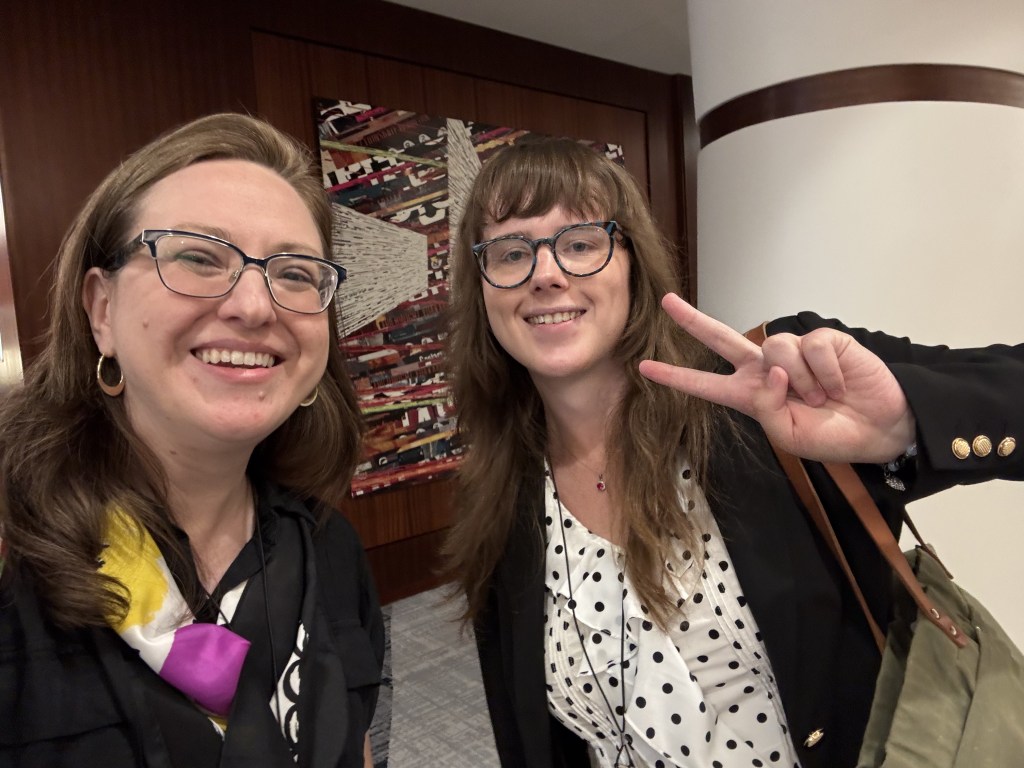
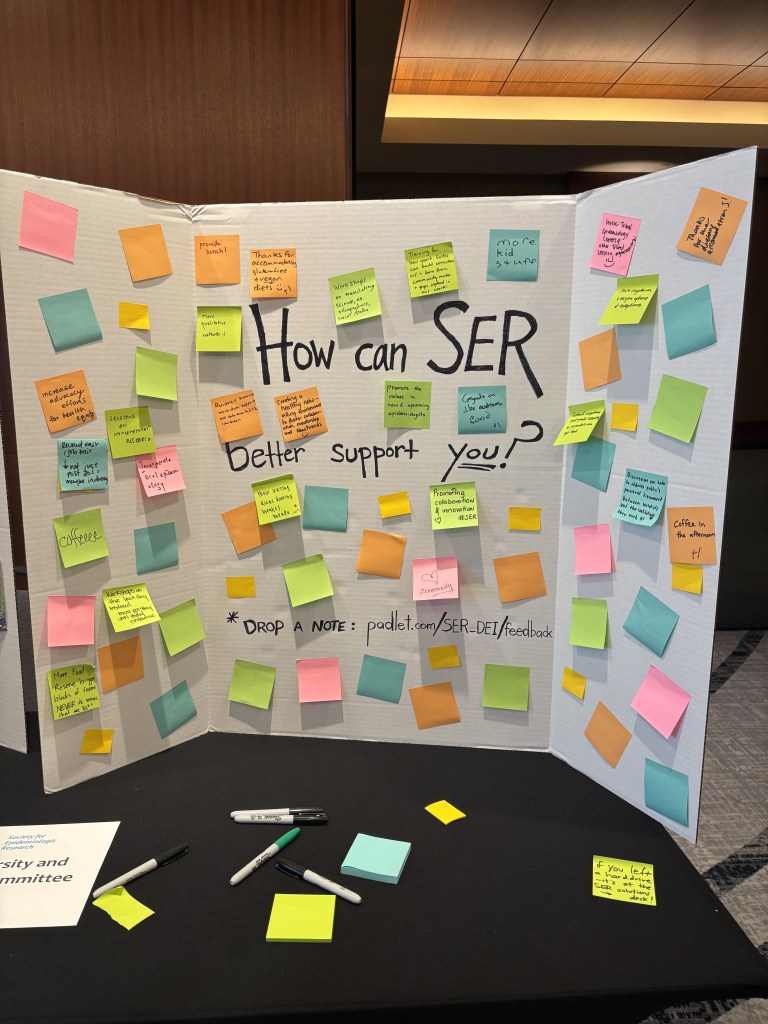

Kolak also helped out at the SER Diversity & Inclusion table in their last year on the D&I committee, before rotating out.
IMGS in Toronto, Canada
Marc Astacio-Palmer, Catherine Discenza, new postdoc Hilary Fath (Sanborn), and Dr. Kolak traveled to Toronto for the International Medical Geography Symposium. This bi-annual conferences highlights the multi-disciplinary nature of health geography, a favorite event to attend over the years. This year the team gave multiple presentations, including:
- “Beyond the Clinical: Developing an Ontology for Community-Level Social Determinants of Health” presented by Catherine Discenza in the Critical Perspectives in Health Geography Paper Session
- “Comparative evaluation of COVID-19 hospital admission models with and without population health information” presented by Hilary Fath (Sandborn) in the COVID-19 II Paper Session
- “Design and Community Engagement in Spatial Web-Based Applications for Public Health: A Web Mapping Application Evaluation Framework” presented by Marynia Kolak in Urban Health: Community, Participatory, and Intervention-Based Research
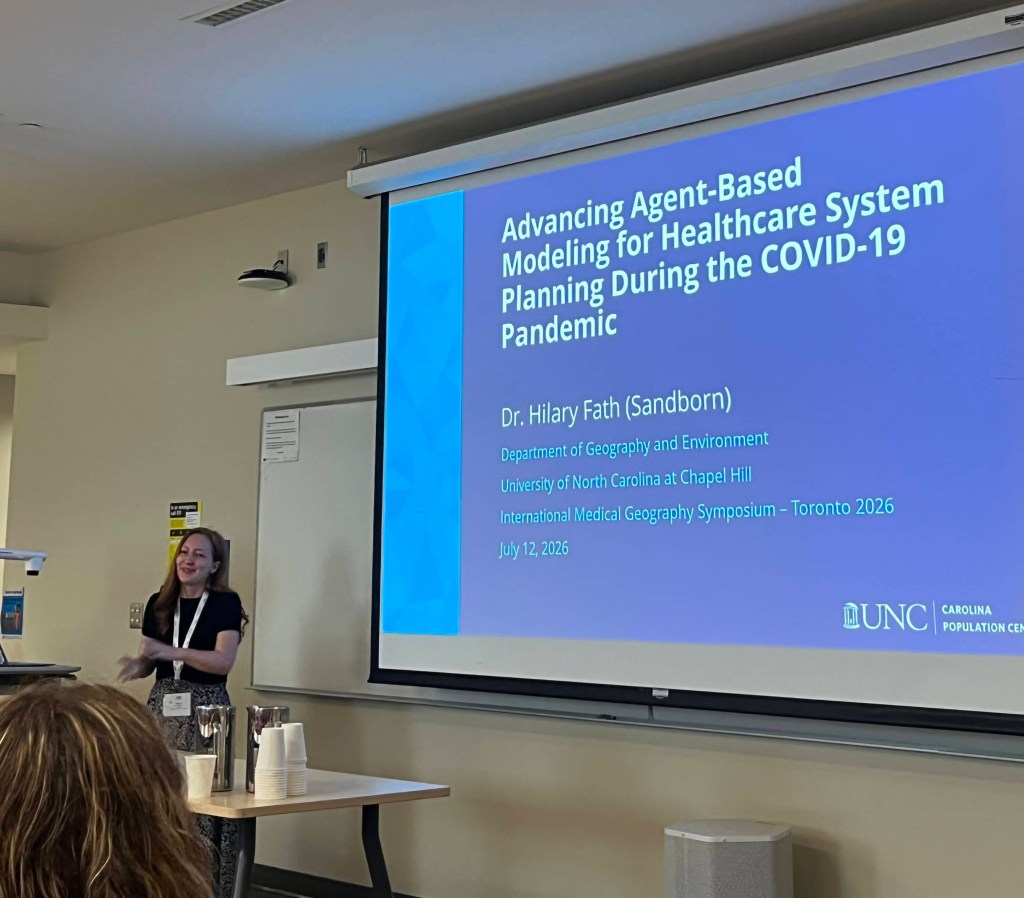

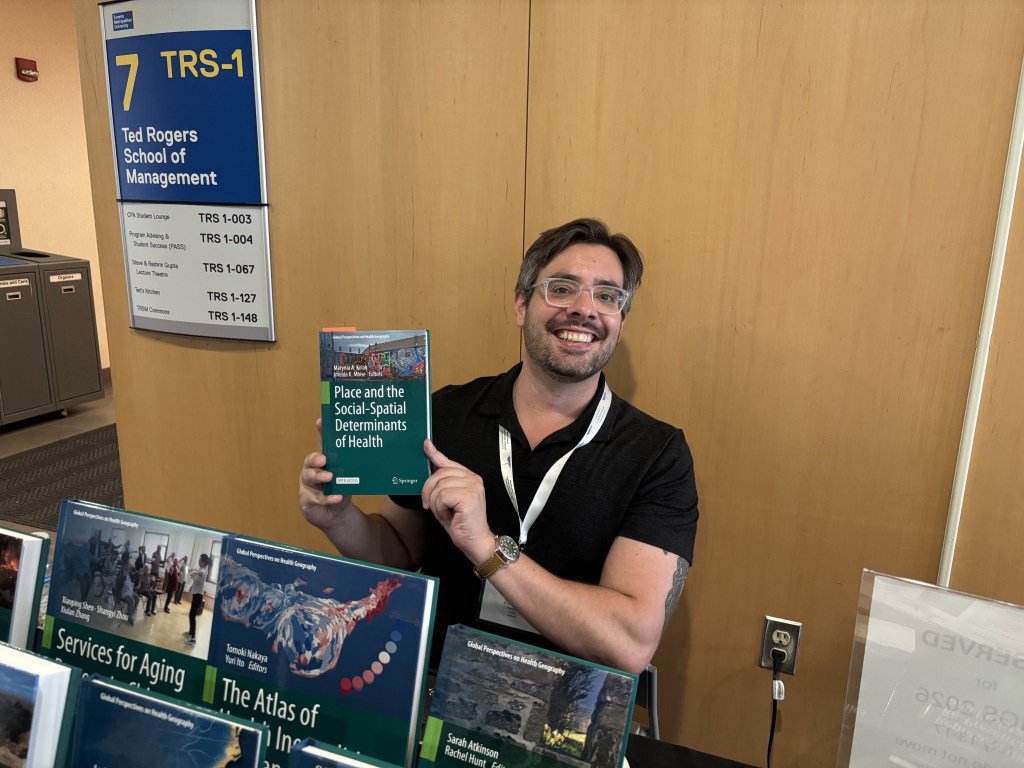
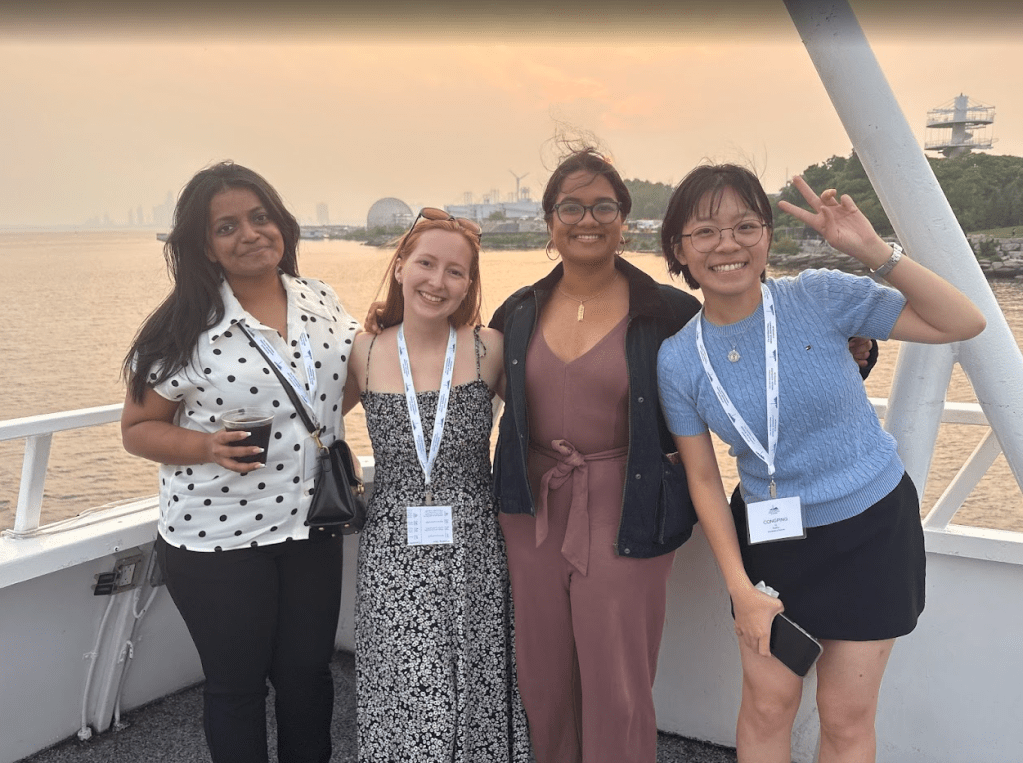
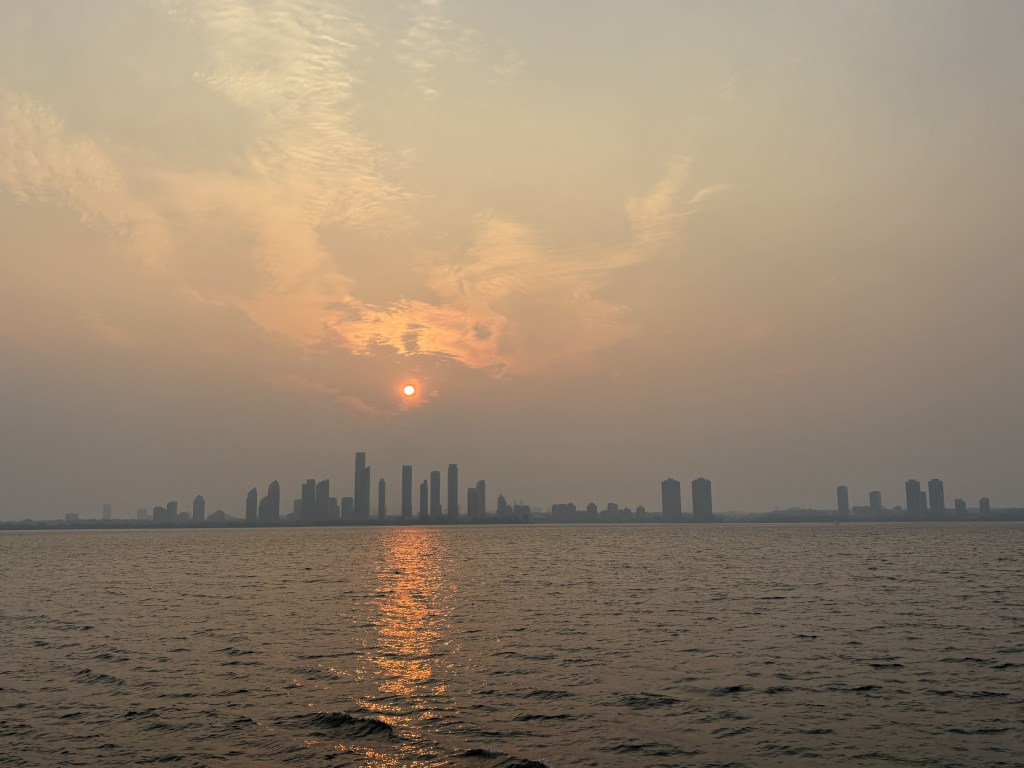
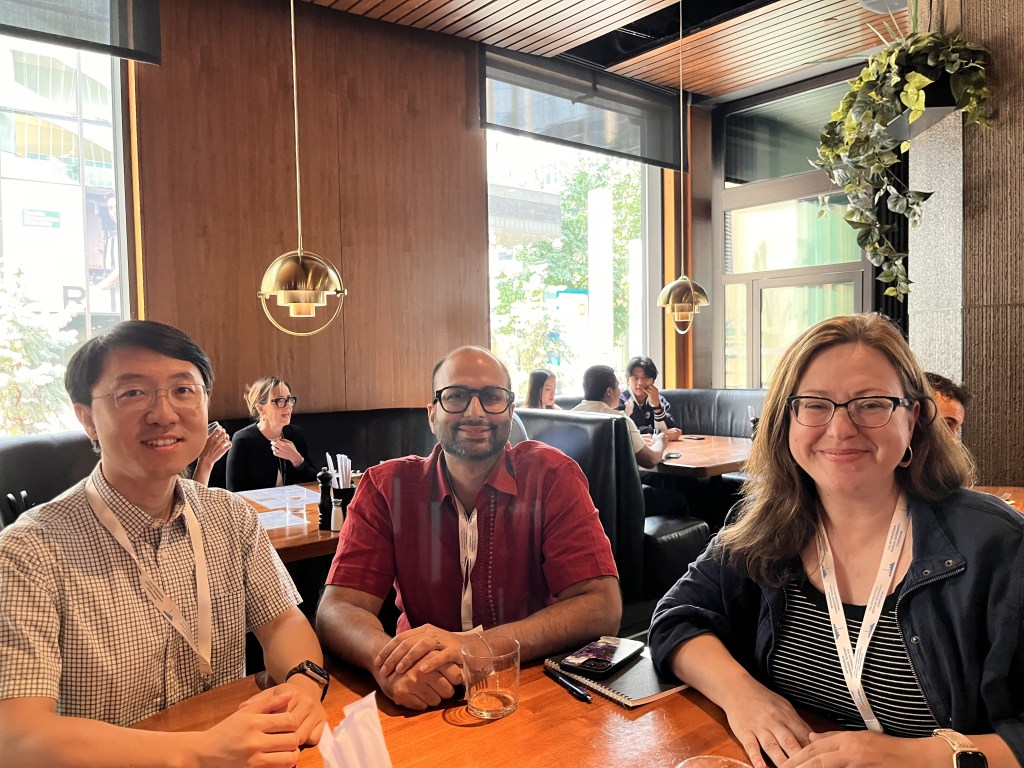
The team was able to enjoy classic IMGS features like field trips and the epic conference dinner finale. This year’s dinner took place on a boat, allowing the team to view the unforgettable wildfire haze blanketing the city from the water.
ACM HPDC26 in Cleveland, Ohio
Pengyin Shan presented her poster, “Building an LLM Gateway as an RSE: Patterns, Pitfalls, and a Case Study from Public Health Data Discovery,” at the 35th ACM International Symposium on High-Performance Parallel and Distributed Computing (HPDC 26) in July.

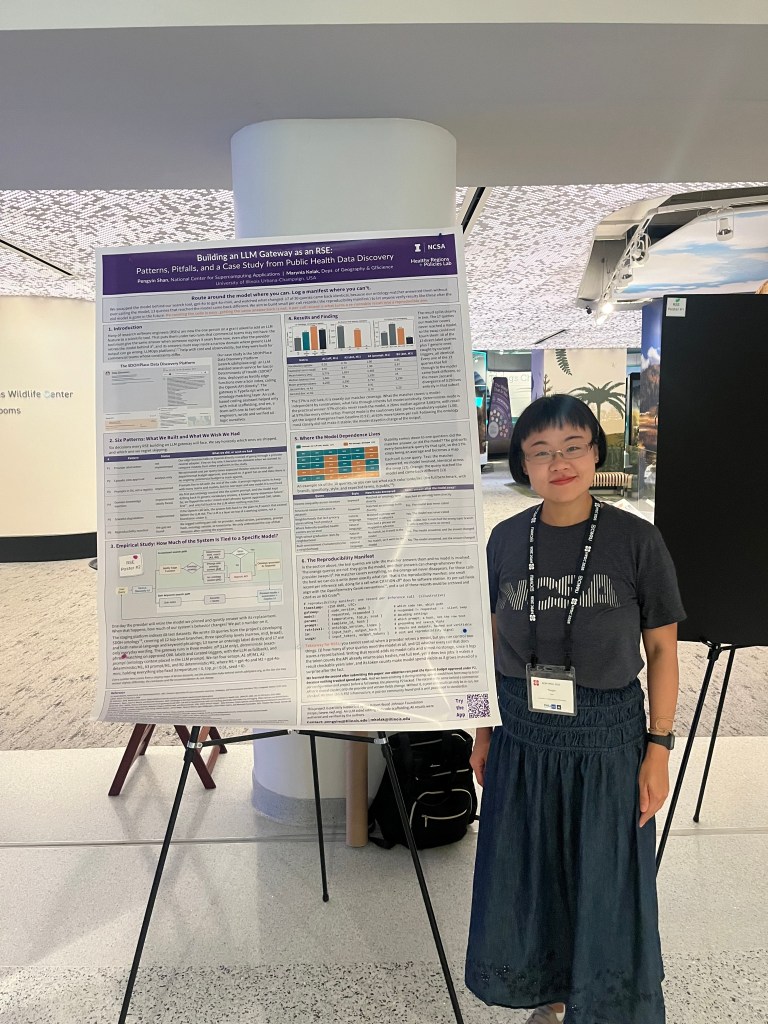

The poster highlighted The SDOH & Place Project (search.sdohplace.org), a collaboration between the HeroP Lab and NCSA, and discussed the critical importance of reproducibility when building LLM gateways for research software. Drawing on a real-world public health data discovery platform, the work explored practical design patterns, common pitfalls, and lessons learned for developing reliable, transparent, and reproducible AI-enabled research infrastructure.


Leave a Reply