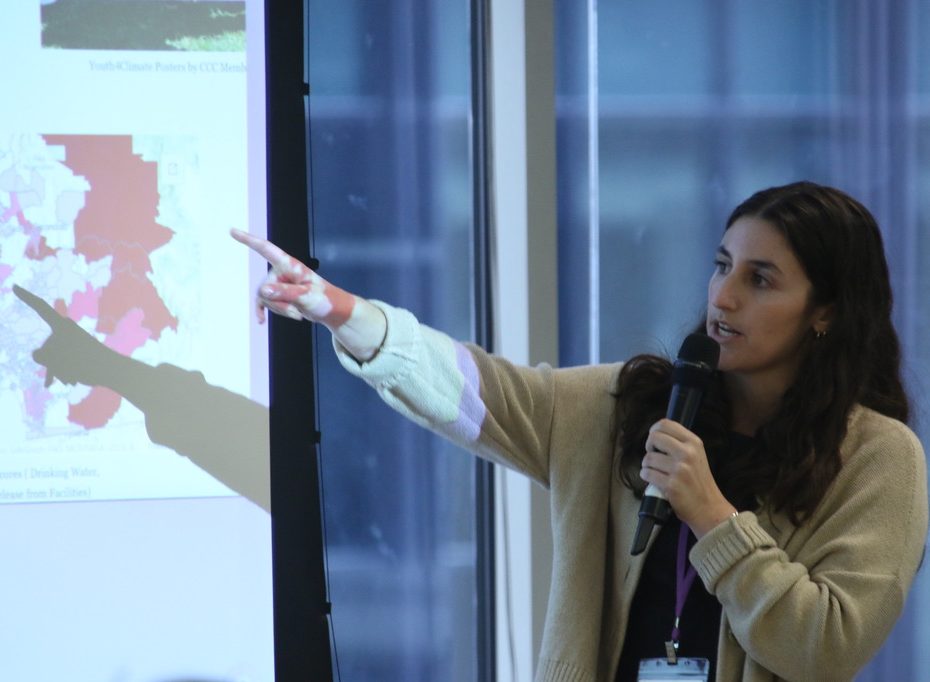

Expanding Our SDOH & Place Community
From September 24–26, the SDOH & Place Project Symposium showcased the incredible dedication and innovative approaches of the growing community in addressing social determinants of health and place-based inequities. Twelve SDOH & Place Fellows came together in Chicago to showcase their web mapping applications centered in equity, while community and health leaders joined to share progress in moving the needle on health outcomes, SDOH, and Place — and how we talk about the data central to all these processes.
The symposium was an undeniable success, bringing together a community to share and celebrate groundbreaking research and advocacy. It was an enriching experience, filled with fellowship and insightful presentations, especially during this time of uncertainty.

Day 1
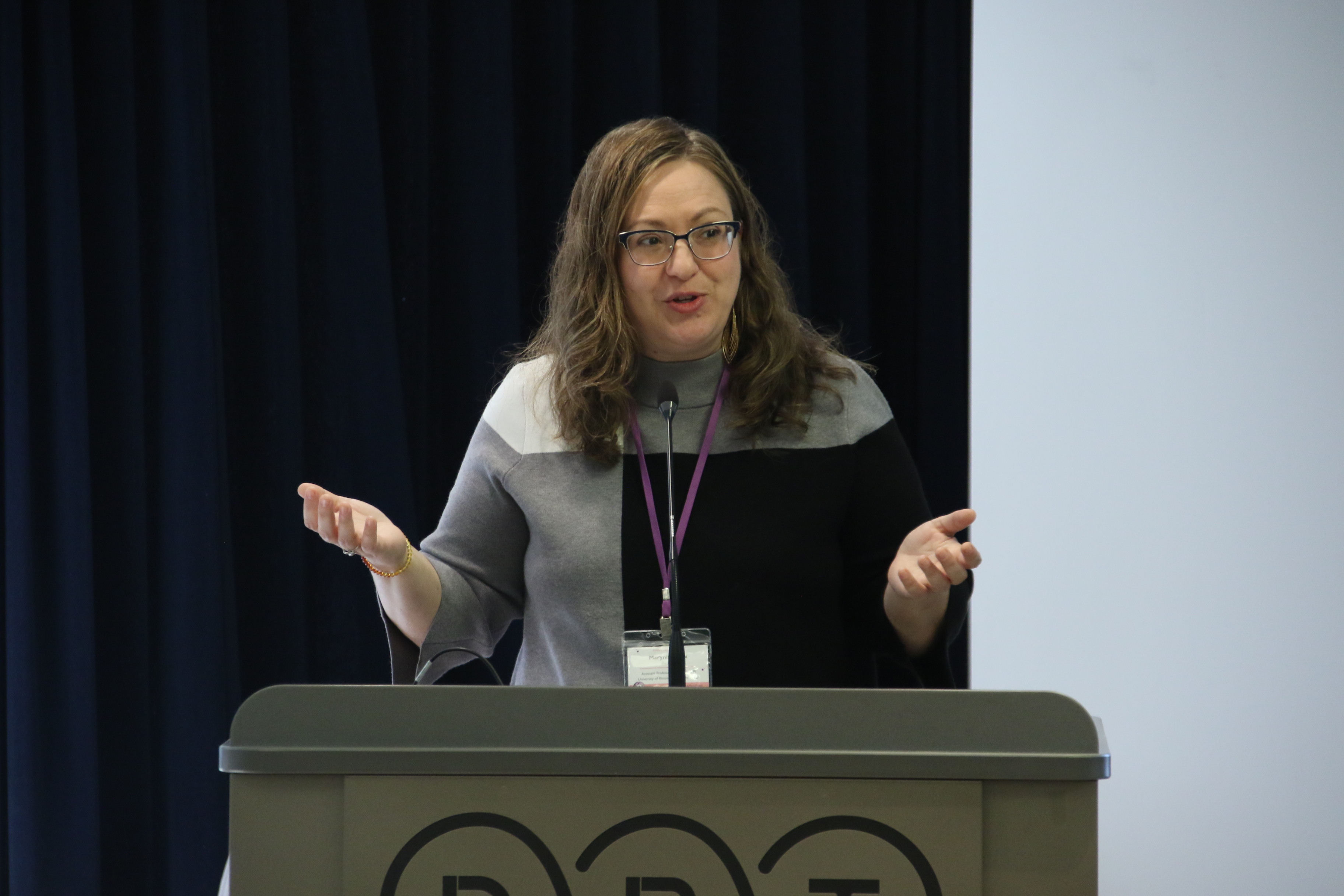
This year’s Symposium began on Wednesday, September 24th with a welcome by HEROP Principal Investigator, Marynia Kolak.
Following this, the Healthy Regions & Policies Lab team members gave project updates on the current state of research and development on the SDOH & Place Project. This session featured talks from:
- Shubham Kumar, HeRoP Lab & Pengyin Shan, National Center for Supercomputing Applications: SDOH Data Discovery Platform: A Smart Search Experience
- Marc Astacio-Palmer, HeRoP Lab: Building Technical Capacity for Equity & Healthy Places with Design and GIScience
- Marynia Kolak, HeRoP Lab: Building Knowledge & Information Systems with Human-Centered Design: A Community-Centered SDOH Ontology


The evening concluded with the Symposium reception and dinner with colleagues.
Day 2
Thursday began with our co-keynote speakers Beth Beyer & Claudia Claudia Galeno-Sanchez, continued with Guest Speaker Sessions A & B, and concluded with our online application showcase sessions from our talented 2025 Cohort of SDOH & Place Fellows.
Elizabeth “Beth” Beyer, Executive Director of the TEC Alliance, and Claudia Galeno-Sanchez, Executive Director of Mujeres Por Espacios Verdes, were our joint keynote speakers this year at the SDOH & Place Symposium. You might remember Beth from our first cohort of SDOH & Place Fellows, who joined the fellowship to develop her project, the Hope, Environment and ArT (HEAT) Chicago App. Over this past year she expanded the application in partnership with Mujeres Por Espacios Verdes, and together they have expanded the project from its humble origins. Their keynote talk, “Butterflies Rising!/¡Mariposas en Ascenso!” walked attendees through their journey of developing and sharing pollinator gardens across the Chicagoland areas. While Claudia unfortunately missed the Symposium due to extenuating circumstances, she was able to speak through a video created by their team on their project for creating pollinator gardens.
You can watch Claudia’s video and learn more about “Butterflies Rising” on their project website.
After a brief break, attendees had the option of attending one of two sessions: Session A and Session B, featuring talks from invited guests.
Session A, focused on research and advocacy on Green Spaces and Demographic factors influencing municipal services. Session A attendees enjoyed talks from:
- Rachel Loftus, University of Illinois Urbana-Champaign: “Let it Snow: Demographic Factors Associated with Priority Snowplow Routing in Duluth, Minnesota”
- Sierra Raglin, University of Illinois Urbana-Champaign: “Metal and Microbes: Assessing the Influence of Urban Land Use on Metal-Microbe Interactions throughout Chicago, Illinois”
- Christine Dannhausen-Brun, Nordson Green Earth Foundation: “Leveraging the Miyawaki method of tree plantings to build SDOH in communities”

Session B, focused on Food Environment research and measuring the effects of stigma. Session B attendees enjoyed talks from:
- Aisha Syed, University of Toronto: “Quantifying Immigrant Agency in the Built Food Environment”
- Angela Zhang, University of Southern California: “Using Parcel-level data to create new measures of the Los Angeles Food Environment”
- Leslie Williams, University of Illinois at Chicago: “Measuring Setting-Level Stigma: Challenges and Opportunities when Measuring A Social Norm”
Special thanks to our guest speakers for providing wonderfully insightful sessions!
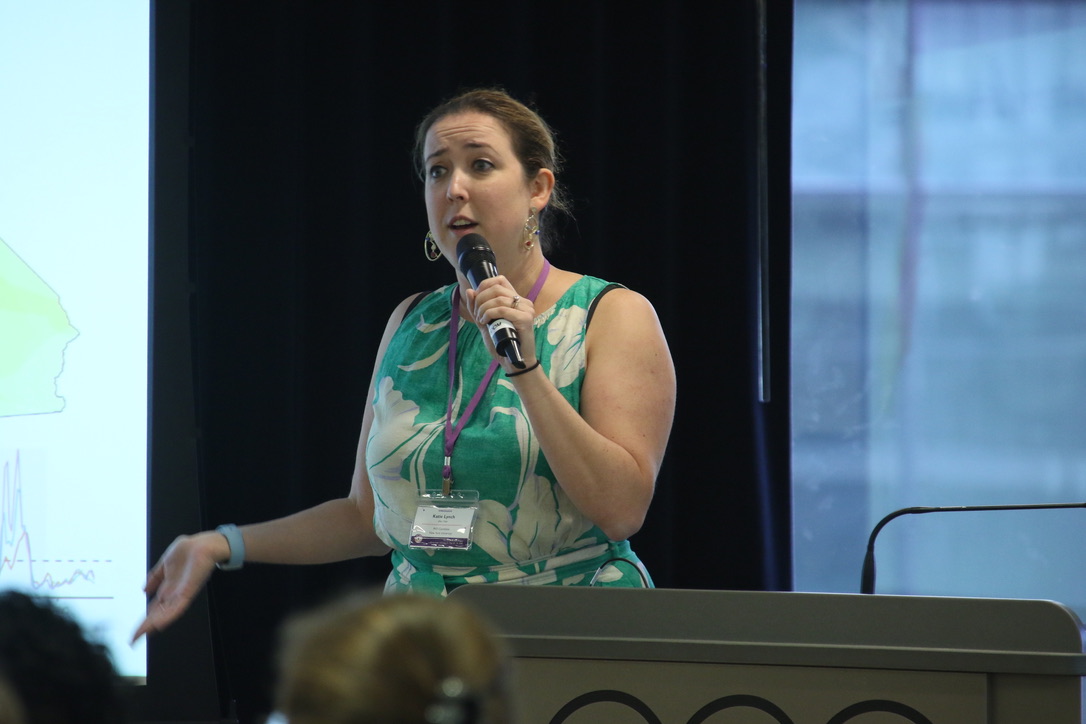
After these sessions, we broke for lunch and returned with our Asset Map, Story/Thematic Map, and Data Dashboard Showcase Sessions featuring new and innovative online mapping applications developed by the 2025 Fellowship Cohort. See the list below for our cohort speakers and their projects.

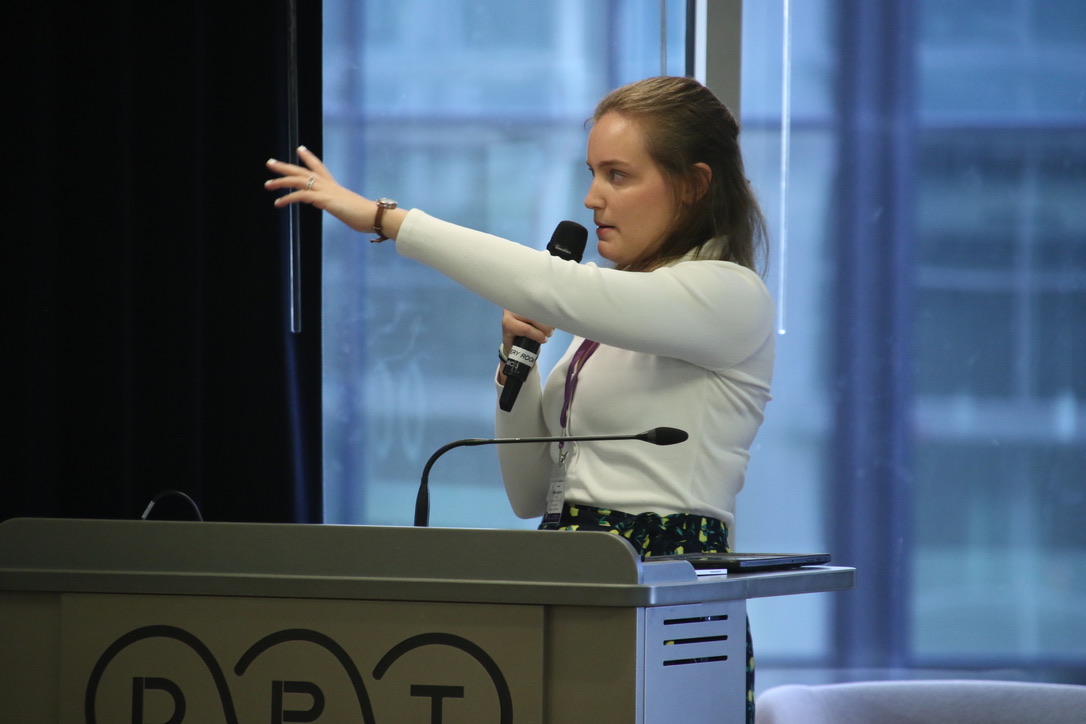


Asset Map Showcase
- Jacob Gizamba University of Southern California; Spatial Sciences Institute: HepResourceVu Geovisualization
- Zoe Maxwell Brown University School of Public Health: Mapping Tree Equity Priority Zones in Central Falls
- Montana Gill Cardea/The Raven Collective: Mapping Barriers to Prenatal Care for Indigenous Communities in the U.S.
- Georgie Kinsman Minnesota Department of Health: Facilitating Food Access: Asset Mapping to Connect Families to Healthy Food in White Earth Nation
- Bryce Takenaka Yale School of Public Health: Spatialized Violence: Militourism Impacts Across Kō Hawai’i Pae ‘Āina
Story & Thematic Map Showcase
- Ya Yang University of California Davis: Mapping Access to Tobacco Cessation
Resources for Sexual and Gender Minorities (SGMs) - Cheng-Chia “Brian” Chen University of Illinois Springfield: Uncovering the Factors of Diabetes: A Multilevel SDOH Analysis Using AI and Geospatial Techniques
- Carlyse Cheshier Portland State University: Mapping Community Knowledge: Photovoice StoryMap of the Clackamas River Basin Watershed
- Hannah Cordeiro San Diego County: Community Health Impacts of Pollution in the South Bay of San Diego
Data Dashboard Showcase
- Babu Gounder University of Illinois Urbana-Champaign: Illinois Environmental Health Data and Map Dashboard
- Kathleen “Katie” Lynch NYU School of Global Public Health: Wildfire Smoke Exposure & Burden in Northern California: A Health Equity Approach
- Mallory Sagehorn University of Colorado Boulder: Social Infrastructure & Access in Denver–Boulder: A Spatial Health Equity Dashboard
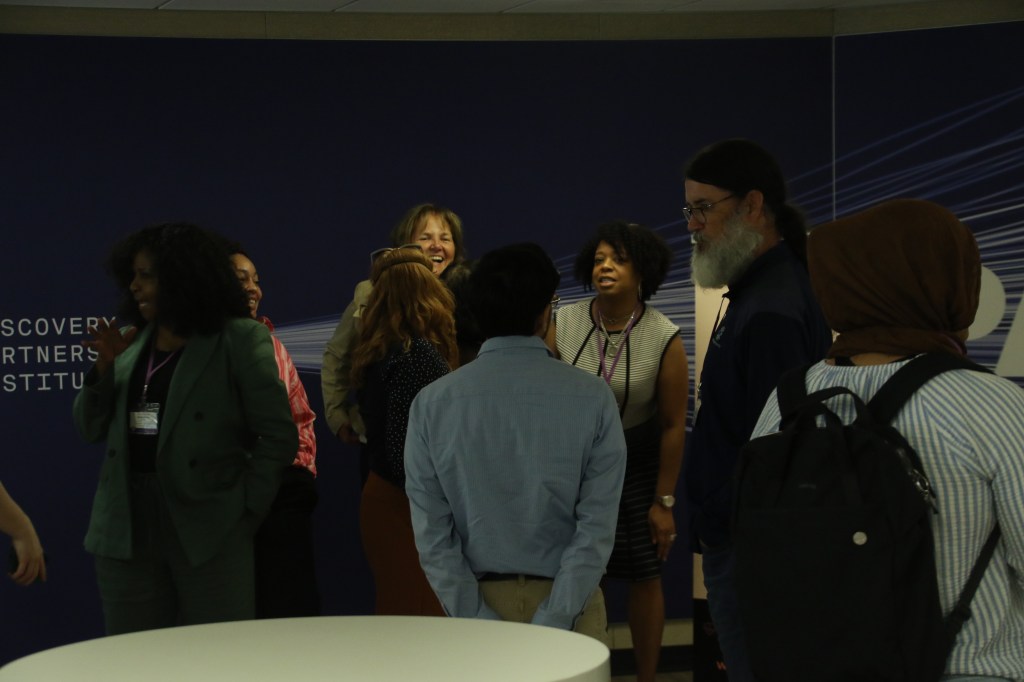
After our final showcase session, we concluded Day 2 with an invite for our attendees to have dinner with the connections they have made at the Symposium so far in the hope of sparking potential future collaborations.
Day 3
Friday, September 26th concluded with the Symposium with our final guest speaker session, Session C and Closing Remarks from the lab’s Research Coordinator, Marc Astacio-Palmer.
Session C focused on the Social Determinants of Health in design and research, and research using place-based methods to identify at risk populations to climate disasters. Session C attendees enjoyed talks featuring:
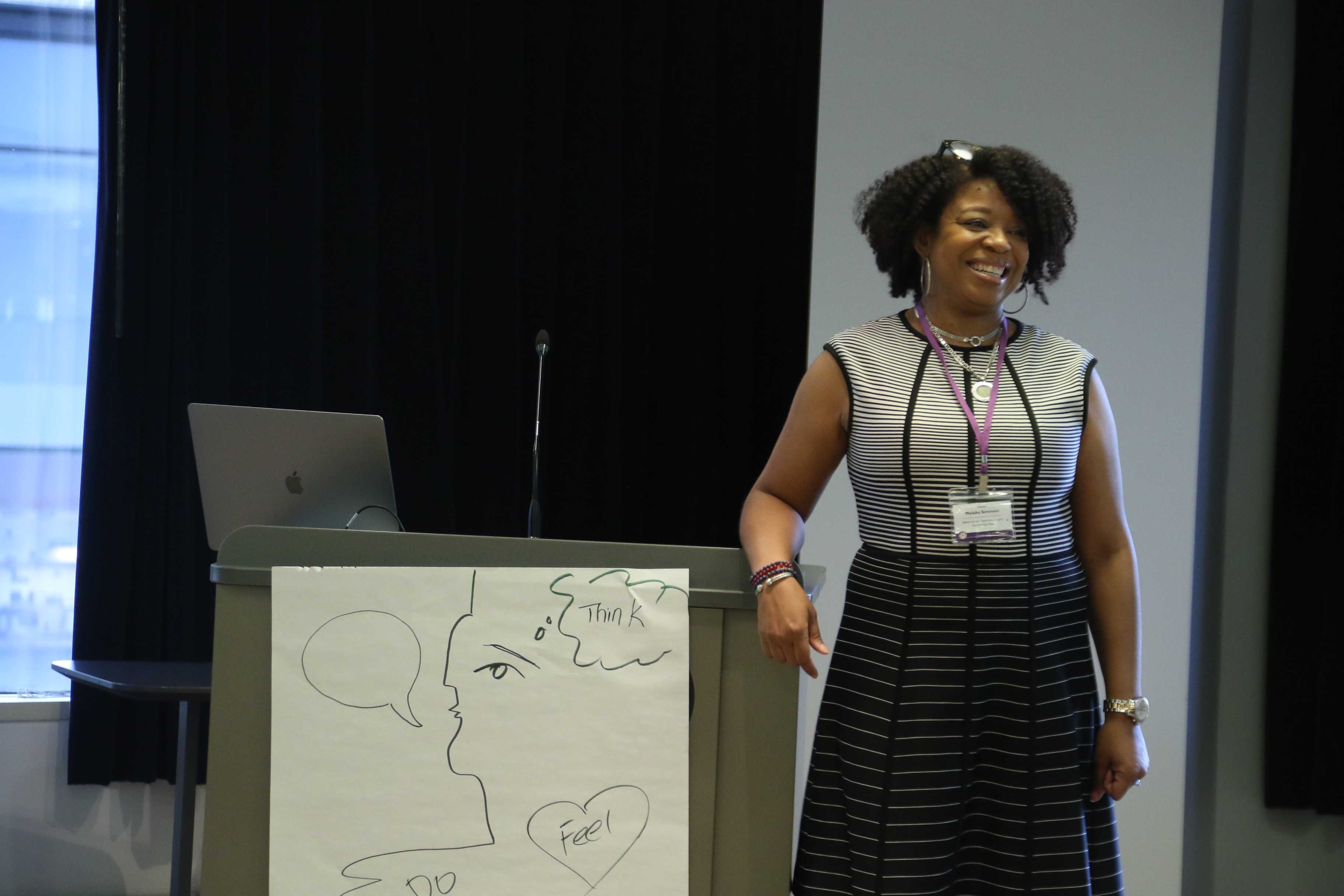


- Malaika Simmons, Momentology Media, LLC: “Addressing the Social Determinants of Health with Human-Centered Design”
- McKenna Magoffin, Socially Determined: “Quantifying SDOH risk drivers of zip-level disease outcomes”
- Alicia Adiwidjaja, Children’s Hospital of Los Angeles: “Mapping Vulnerability to Climate-Related Disasters: A Spatial Framework for Health System Preparedness”
Thank you to our speakers for a wonderful final session to the 2025 SDOH & Place Symposium!
Finally, we wrapped up this year’s 2025 Symposium with closing remarks from Healthy Regions & Polices Lab Research Coordinator, Marc Astacio-Palmer.
“Welcome to the SDOH & Place Project. More than just a community of practice, but something where we can all come together and create something better and more lasting than we can do alone.”
We look forward to the continued impact of this important work and the inspiring contributions of our fellows and speakers. Thank you to everyone who participated and made this event a resounding success!

The Social Determinants of Health (SDOH) & Place Project, led by the HEROP Lab and funded by the Robert Wood Johnson Foundation, works to build a community of practice around defining & using community-level social determinants of health. We developed a new toolkit to work with place-based SDOH data and develop mapping apps with free and/or open source software, and will soon launch a new search platform for discovering SDOH data. With a growing community of healthcare providers, neighborhood advocates, data scientists, geographers, and more, we’re also building community through discussions on defining SDOH and using SDOH data; engaging new types of collaborations and applications with design justice; and breaking ground in developing new types of infrastructures & tools to support this work.
 Healthy Regions & Policies Lab
2 responses to “Highlights from the SDOH & Place Symposium 2025”
[…] If you’d like to see examples of previous work completed by Fellows of the SDOH & Place Fellowship, you can watch last year’s cohort present their prototypes at the 2025 SDOH & Place Project Symposium here, or read about their work on the Symposium Blogpost here. […]
LikeLike
[…] Read about the 2025 SDOH & Place Symposium […]
LikeLike