In May 2023, 8 Healthy Regions Research Assistants graduated and migrated. We are thankful for their meaningful contributions and wish them the best in their future endeavors.
Graduating RAs
We are so proud of our 2023 graduates! These RAs worked at the HeRoP Lab as they completed their studies.
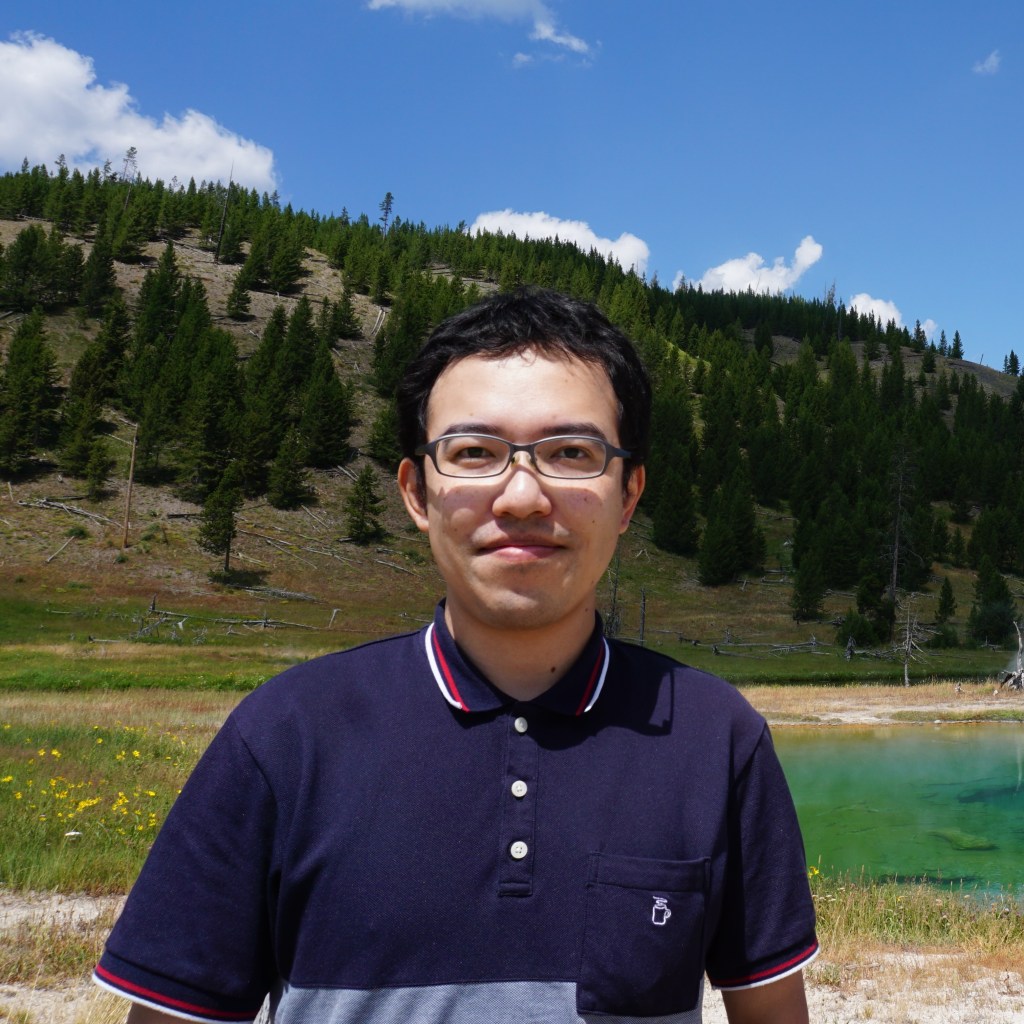
Dr. Wataru Morioka earned his Ph.D. in May 2023. He joined the lab’s Opioid Research Team last December to analyze longitudinal geospatial data at the census tract level of the continental U.S. to examine spatial accessibility to medication facilities for opioid use disorder. Through the project, he has learned about how Opioid Epidemic is an urgent matter and the importance of spatial justice in accessibility to healthcare facilities. He is currently trying to discover the best metrics to describe geospatial accessibility to methadone providers by comparing various metrics. From the technological perspective, this study is characterized by conducting analysis under the CyberGIS environment. This high-performance computing enables us to handle big data with relative ease. He will keep working at HeRoP Lab as a postdoc to find useful information for the successful treatment from a geographical perspective.
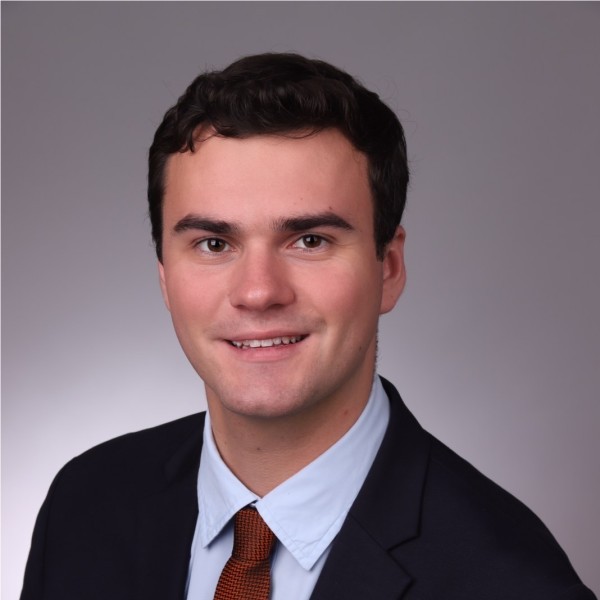
Augustyn Crane earned a BS in geography in May 2023. His biggest accomplishments at the lab were really learning how to connect and collect characteristic data on the internet and turn it into metadata for the PLACE project. He credits HeRoP really helping him understand how to generate metadata. He is now working as a Linguist for the US Department of Defense in Poland, and he eventually wants to pivot back to GIS in the future.

Jorge Corall earned BS in earth, society and environmental sustainability with a minor in chemistry in May 2023. At the HeRoP Lab, he worked on the marketing team for the US COVID Atlas project and generated metadata for the ChiVes and PLACE projects. During his time at the lab, he created beautiful social media posts, wrote impactful workshop overviews, and produced thoughtful and thorough metadata.

Aisha Syed earned a BS in geography in December 2022. She worked with the HeRoP Lab as a Research Coordinator during the Spring of 2023. She is grateful for her opportunity to work with both HeRoP researchers and community stakeholders to contribute to equity-centered and community-engaged projects. This Fall, she will study at the University of Toronto to work towards a Master’s degree in geography.
Migrating RAs
Migrating RAs are students who worked with the lab for the 2022/2023 school year. They are continuing their studies at the University of Illinois Urbana-Champaign and are not working on HeRoP projects this Summer.
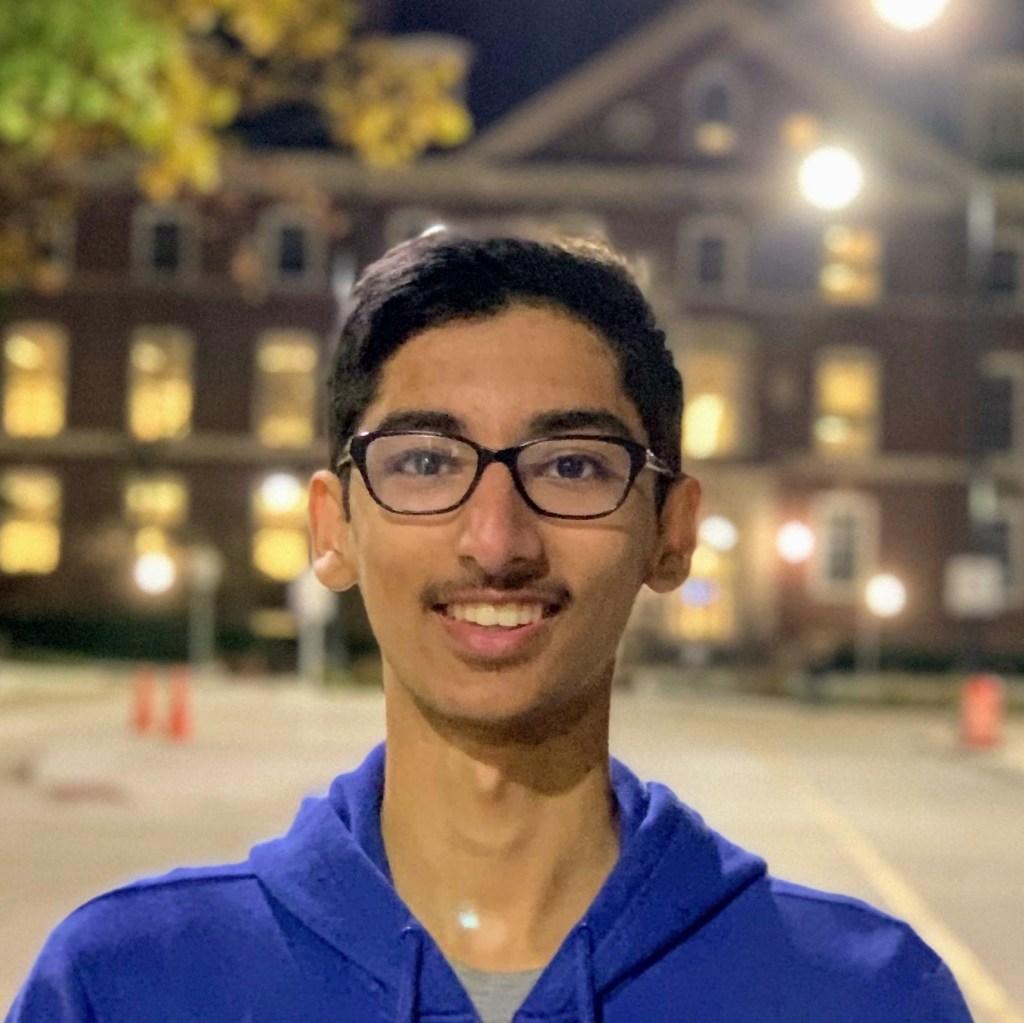
Sparsh Singh worked on the ChiVes project and integrated many new metrics like air quality, displacement, and other demographic variables into the data collaborative platform. He learned not only about data manipulation and modern UI design, but says that his time at the lab also gave me the opportunity to work with an exceptional team. This summer, he is working as a software development intern at Epic on their release team where he hopes to further broaden his programming skills.

Emily Glenn helped with outreach for the US COVID Atlas by managing social media outlets, designing flyers for workshops, and running tables to collect COVID Stories for the US COVID Atlas. This summer, she will be interning for the National Oceanic and Atmospheric Administration (NOAA) as a Data Analyst for the Weather Program Office, identifying ways to improve the NOFO grant application process by analyzing survey data collected from previous applicants.
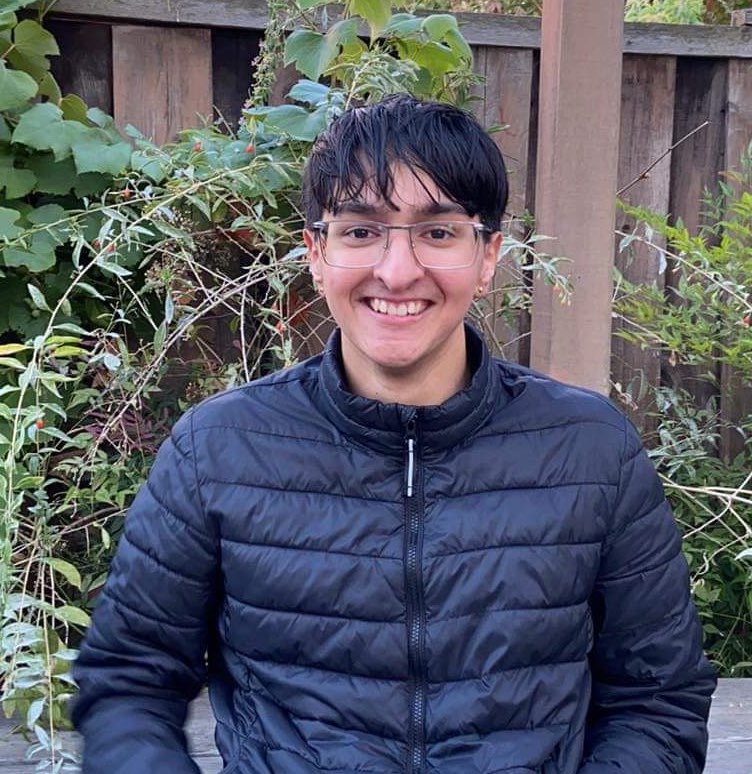
Sarvagnya Vijay worked on the US COVID Atlas project by fixing minor bugs, as well as the ChiVeS project, where he integrated a categorical variable to the map, Historical Redlining, as well as adding quality of life updates to the tooltip box. This summer, he has an internship with the National Center for Supercomputing Applications where he is working on research applying machine learning and geospatial analysis to better target humanitarian assistance among Syrian refugees in Lebanon.

Stefan Ilic worked with the lab as a 2022 Roepke Scholar where he collected cleaned demographic data and generated data for the ChiVes project. From his time at the lab, he gained insight into the world of geospatial data science research. He reflects that collecting data, wrangling it, and documenting the process through writing metadata was a small but not insignificant role. He is currently in Serbia spending time with family, traveling around the country, and searching for an internship if the opportunity arises. He is interested in looking for an internship in the field in geodesy given the presence of small businesses in Kragujevac that work in that field. If he is unable to intern, he plans on picking up a certificate for teaching English and/or studying another language.
 Healthy Regions & Policies Lab
Leave a comment